

Sidewalks - Keep It Simple, Stupid
NYC is spending big of sidewalks but is focused on optics not outcomes

In a recent post, I highlighted the importance of sidewalks in building vibrant, connected communities. Now I ll provide some details on exactly what that means.
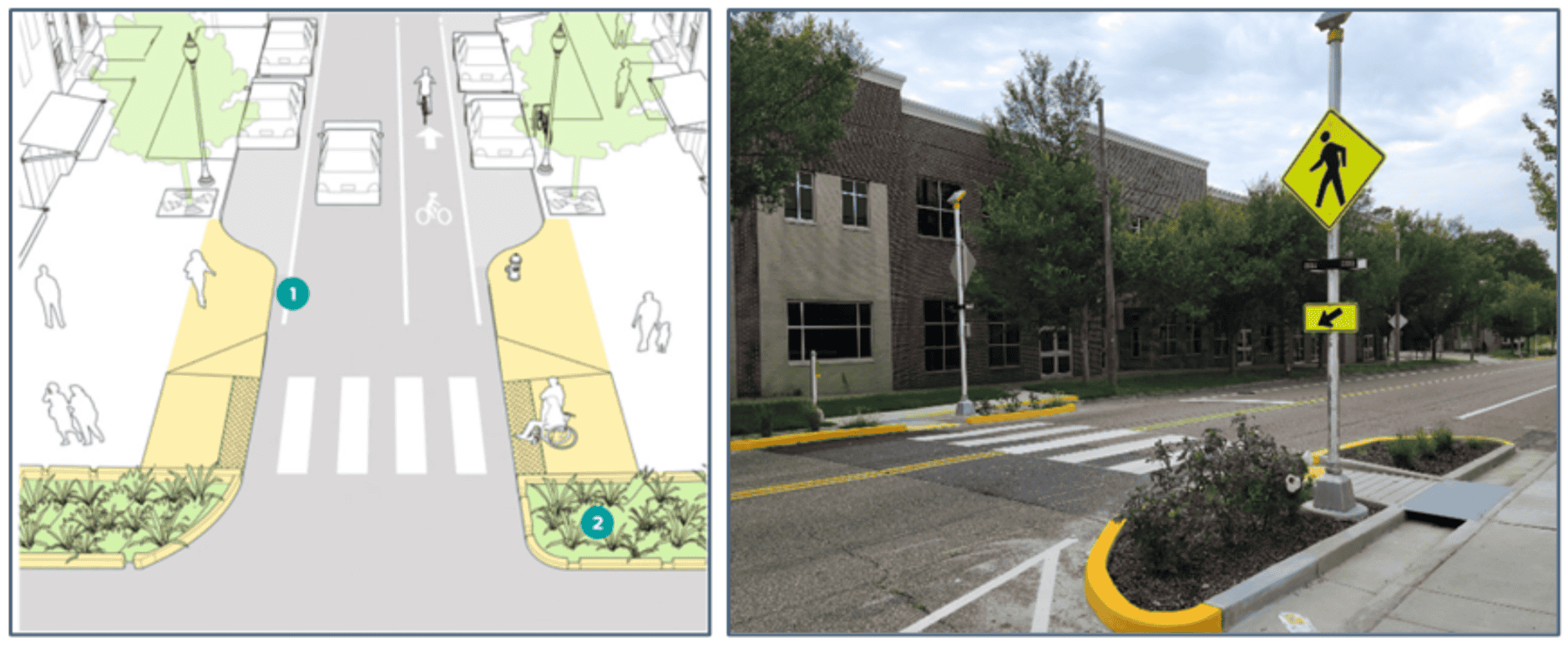
A safe sidewalk is one that’s relatively flat, free of cracks, and paired with short, easily navigable crosswalks. Other provisions like walk/don’t walk signals, painted right-of-ways, and daylighting are examples of smart and affordable investments cities can make to improve pedestrian infrastructure. Friend of the Substack, Hayden Clarkin, posted a great breakdown of these features.
Over the past few weeks, work crews have been busy at sidewalk intersections across my neighborhood. Naturally, I’m excited by this investment and optimistic enough to think that my screaming into the void may have moved the needle. At first glance, it’s an encouraging sign that the city is investing in our sidewalks.
My excitement was short-lived. Crews are installing APS (Automated Pedestrian Signals) and nothing else.
APS monuments are the push-to-walk signs that have become a meme for all things useless. This iteration includes audio cues to assist blind pedestrians. This is no doubt a worthwhile upgrade, but hard to justify when the curb cuts themselves are frankly atrocious. This is a classic case of misaligned priorities and virtue signaling. We’re putting lane-assist technology on our cars before bothering with mirrors.
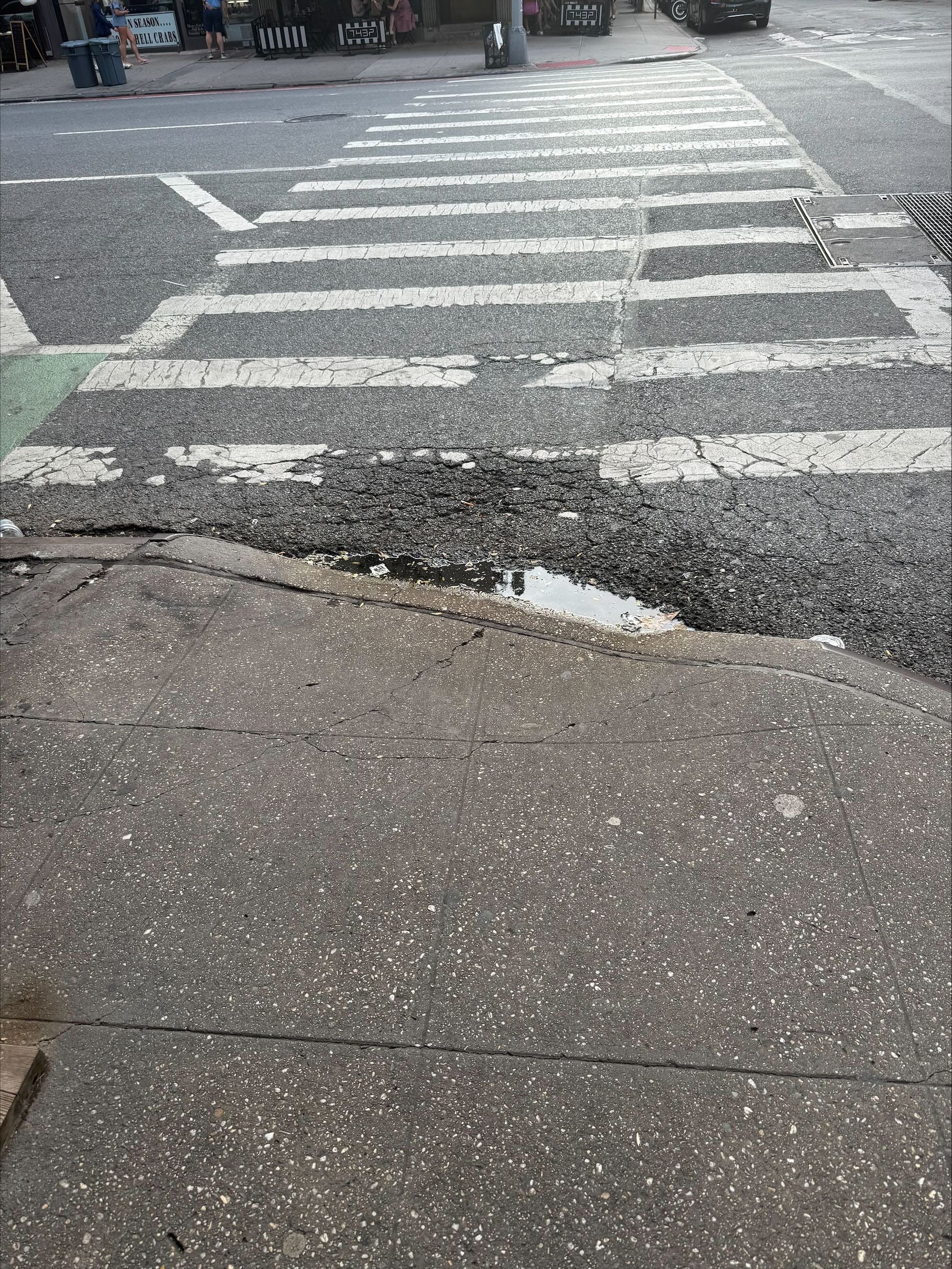
Usually, the simplest fix is the best. For the same price as installing an APS monument, crews could install ADA-compliant curb cuts and daylighting on both sides of the intersection. These intersection with 2nd Avenue shown below is a prime candidate for widened sidewalks and daylighting. The 15 feet from the curb is a dead zone. Parking is strictly forbidden, and bikers, traffic cops, and firefighters are constantly fighting with apathetic drivers for control of this territory. Daylighting would turn this dead space at the intersection into a widened sidewalk. The extended sidewalk slows down cars, makes it easier for emergency response and improves pedestrian safety. All for half the cost of the new APS.
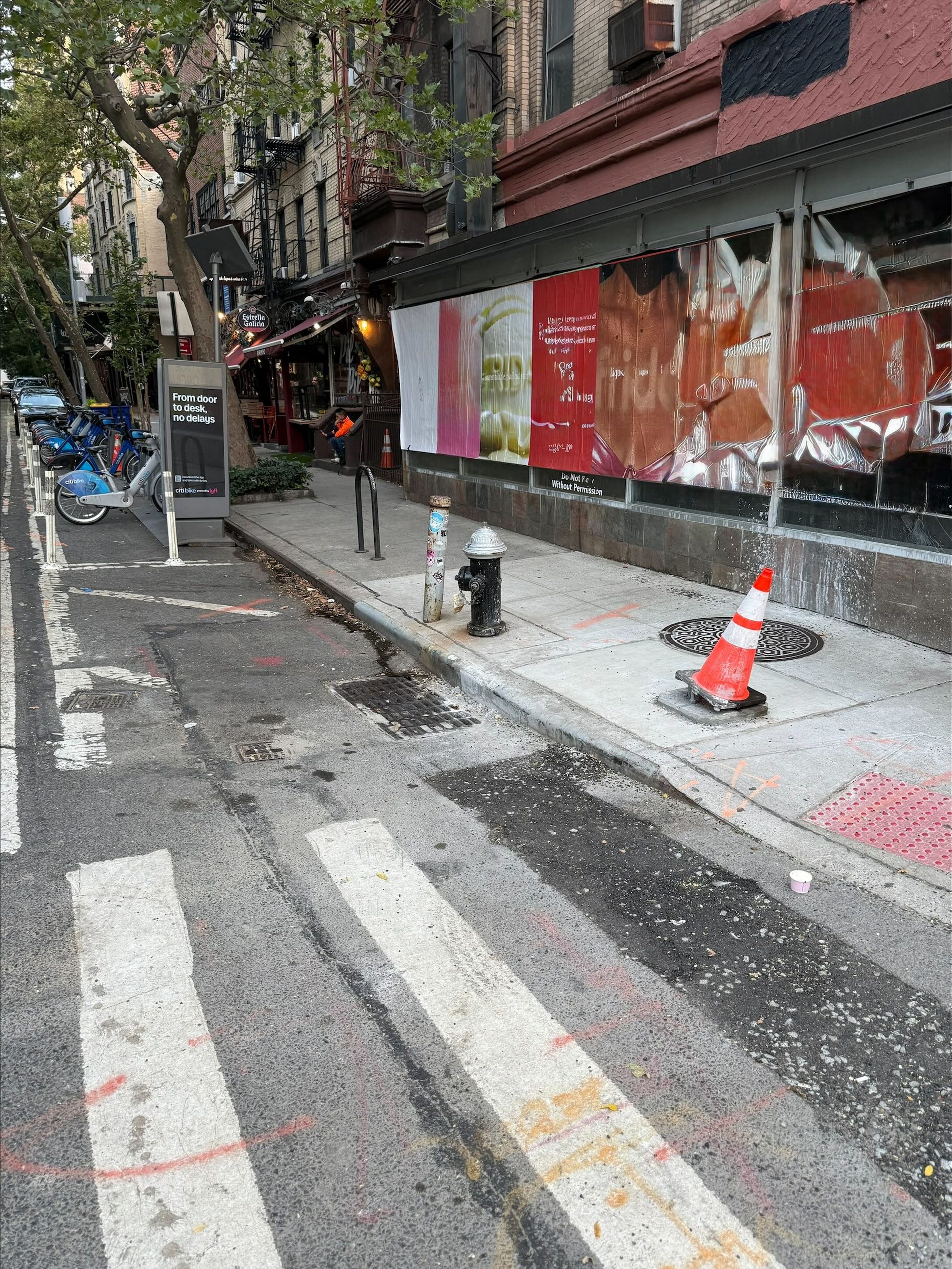
Audio aids are an important upgrade for the visually impaired and really all pedestrians but completely useless without the sound basics. City planners need to be reminded: Keep It Simple, Stupid.
If we give city planners the benefit of the doubt and assume this is just phase one of a future sidewalk overhaul, that’s even more worrying. Doing the work out of sequence like this doubles the cost of administration and oversight by upwards of 20%. We’re going to the grocery store, making appetizers, cleaning the kitchen all for appetizers before starting over again for the main course.
Unfortunately, it safe to assume that there are no further upgrades to follow as the APS pedestals are installed along the existing curb line. With that in mind the quality of work is equally as embarassing as the work chosen. This isn't just inefficient it is a emblematic of our agencies continually prioritizing optics over outcomes.
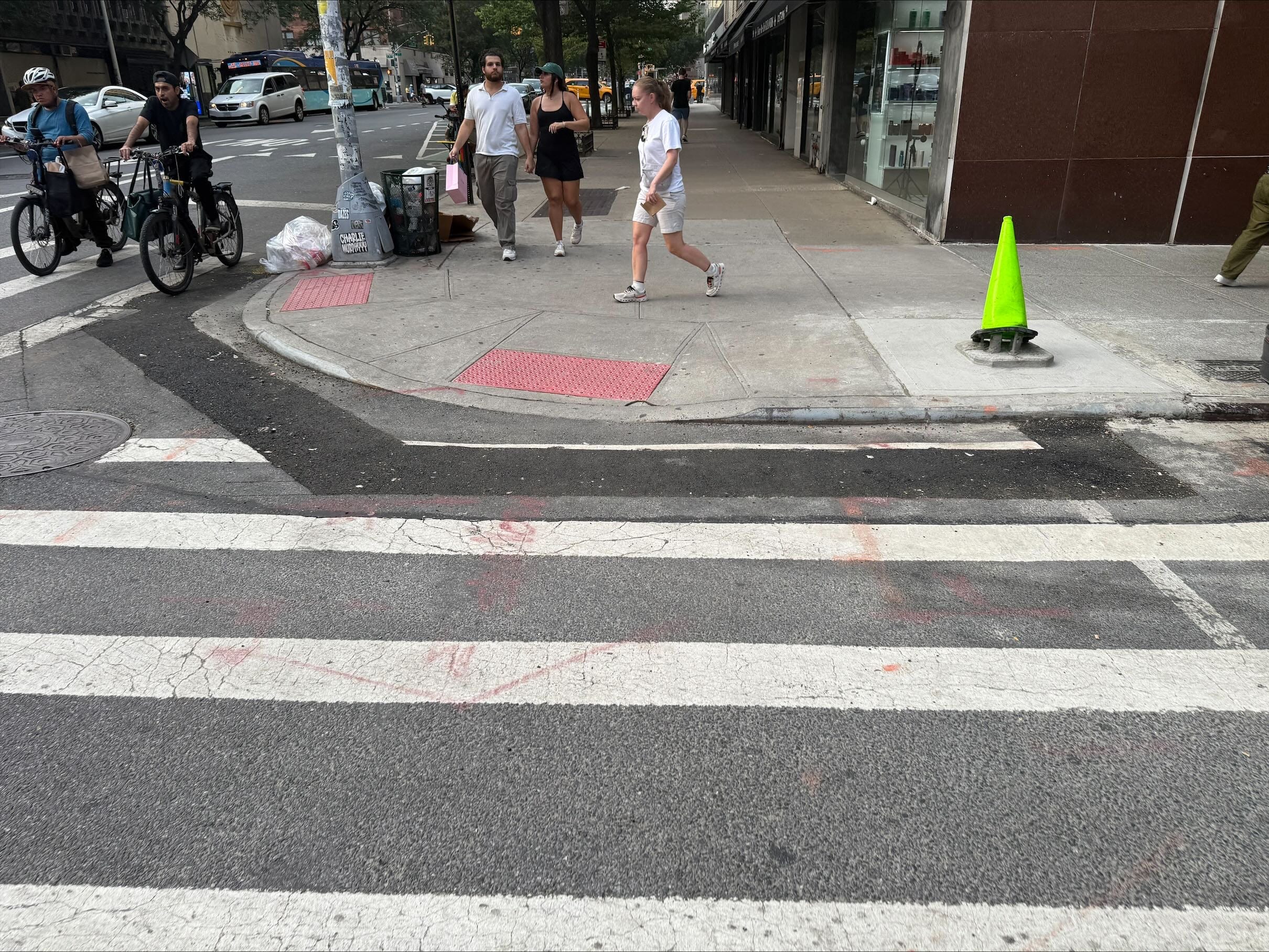
These are exactly the kinds of things I hoped to highlight when I started this Substack. Sidewalks offer a simple and tangible example of our broken processes. This is not unique to sidewalks but unforunately most of our civic planning and execution. Somewhere in the decision-making process, the forest got lost through the trees. I have no doubt that city planners set out with the right intentions but misplaced priorities have distorted the real objective.
APS is a worthwhile enhancement but it’s meaningless without safe sidewalks first. I’m encouraged that New York City planners are committed to improving our streets and I hope to be proved wrong.